Module 6
The wonder of rising dough: tiny life inside
It looks like magic, but science helps us understand.
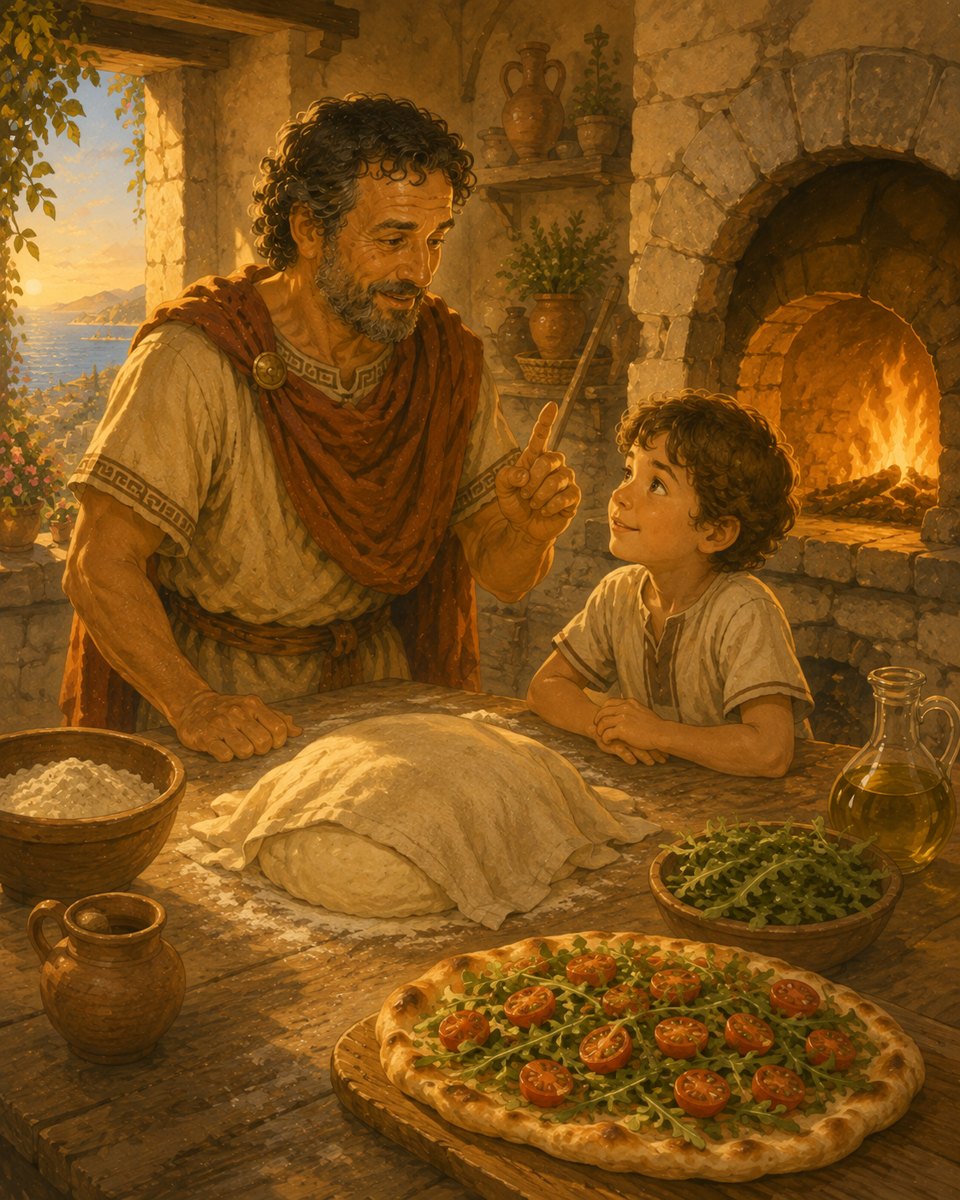
What's happening in the bowl?
Dough may look still, but a lot can happen inside it. Yeasts are tiny living things. During fermentation, they use sugars and produce a gas called carbon dioxide.
The gas gets trapped in the dough's structure, making little bubbles. That's how dough can puff up! When you open a baked Pinsa, the spaces inside tell part of the story of that change.
Time doesn't work alone
Water, temperature, and handling matter too. Cold slows down many changes, so a long, cold fermentation takes patience.
Pedone Pinsa can rest for 48–72 hours, as you learned in the lesson about time. That doesn't mean forgetting the dough. It means respecting a careful process.
- ◆Yeasts produce gas.
- ◆The dough's structure holds the bubbles.
- ◆Time and temperature affect the change.
A little wonder to watch
We might call this change a little 'miracle' because it fills us with wonder. That's a way of expressing amazement, not a magical explanation: nature, knowledge, and care are working together.
Pedone teaches us that understanding something doesn't make it less amazing. Sometimes learning its secret makes us wonder even more.
«A little bubble can hold a big discovery.»
Family activity
If a grown-up is making dough with yeast, become an observer:
- • Draw it when it starts resting.
- • Later, look for changes in size and surface without changing the recipe.
- • Draw the bubbles you imagine inside. Don't taste raw dough.
Final question
What helps dough puff up as it rises?