Module 7
Bread and Pinsa: a journey through stories and cultures
Every table holds a story.
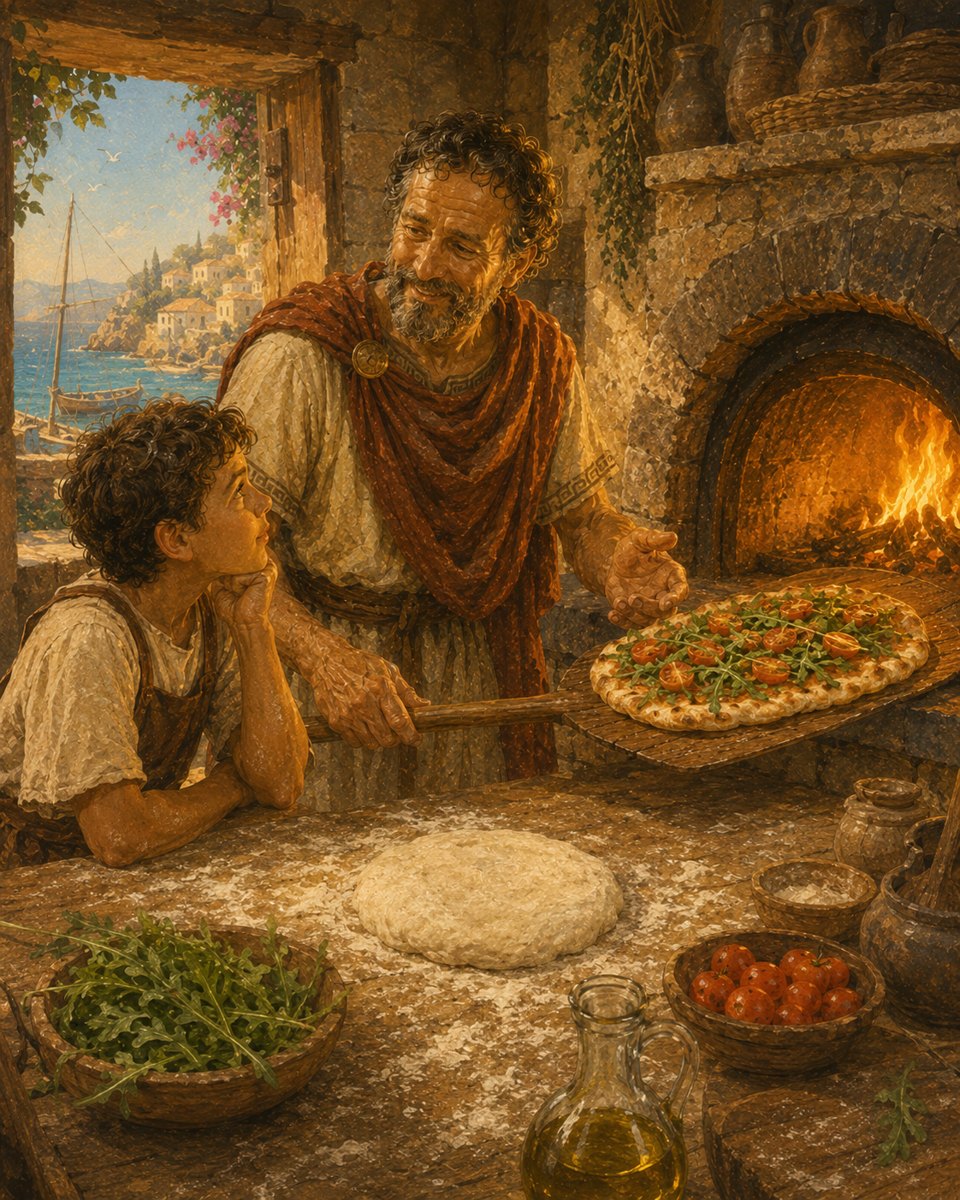
Food that feels like home
Bread has been part of everyday life in many cultures since ancient times. Flour and water become different shapes, smells, and textures. Each family and place can have a special way of making it.
Some breads are flat and some are tall. Some are soft and others have a crunchy crust. They aren't all made the same way, and not all of them rise. That variety tells us about people's creativity.
Pedone collects stories
Pedone doesn't only choose flours. He listens to stories too. Who made bread at home? When did people share it? Which smell reminds someone of a celebration or a person they love?
Pinsa invites us to explore Italian dough traditions. Modern Pinsa isn't identical to the bread of ancient Rome: it brings a connection to tradition together with today's techniques and research.
Different roots, a shared table
Learning about another place's bread is a way to learn about the people who make it. We don't need to decide which is best. We can ask questions, listen, and respect differences.
Food nourishes the body. Remembering who makes it, welcoming someone, and sharing can also nourish what we sometimes call the soul: our inner world of feelings and connections.
«A recipe can hold a family's memories.»
Family activity
Interview someone in your family:
- • What bread do they remember from childhood?
- • Who brought it home or made it?
- • Draw that bread and write their memory beside it.
Final question
What can we discover by learning about breads from different places?